


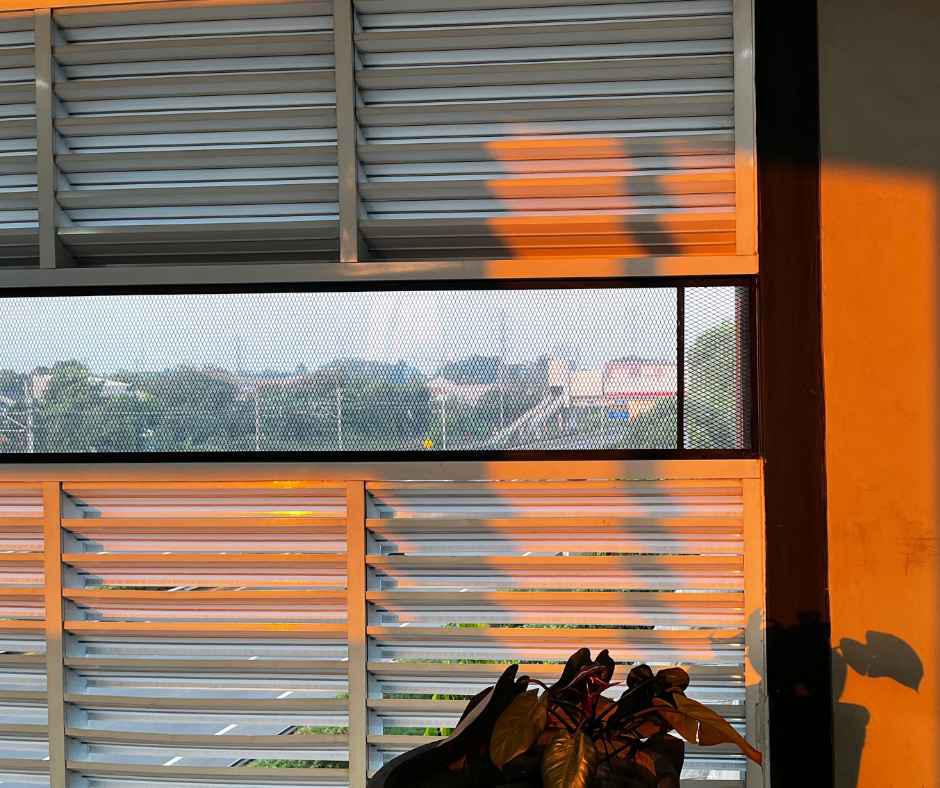
Wood vs Composite Shutters in Humid Climates: Which Holds Up Better?
November 12, 2025
Buy 1 Get 1 50% OFF
Everything*
$750 OFF 1st Screen
$500 OFF 2nd Screen
Request Free
In-Home Consultation
Choosing the right window shutters is about more than matching your home’s style. Climate plays a major role in how well shutters perform over time, especially in regions where humidity is a year-round factor. High moisture levels can cause traditional materials to expand, fade, or warp, turning a once-beautiful addition into a maintenance challenge.
When deciding between wood vs composite shutters, homeowners in humid climates face a common question: which material holds up better against moisture and temperature changes? While wood shutters have long been admired for their natural charm and timeless appeal, composite options offer durability that stands up to challenging weather conditions.
Understanding how different window shutter materials react to humidity helps you make a smart investment for both appearance and longevity. In this blog, we’ll explore how wood and composite shutters perform in damp environments, how to maintain them, and which material ultimately provides the best value for humid climates.
Understanding the Difference Between Wood and Composite Shutters
Before deciding which shutters are best for a humid climate, it helps to understand what sets each material apart. Both wood and composite shutters can look beautiful and add value to your home, but their composition and performance differ in important ways.
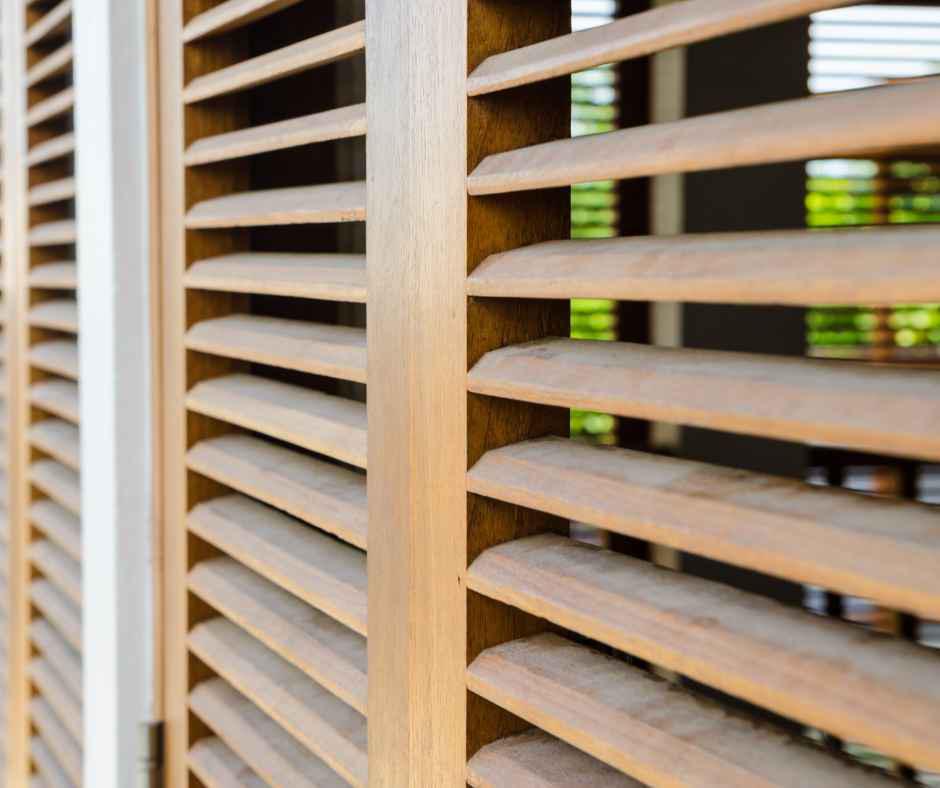
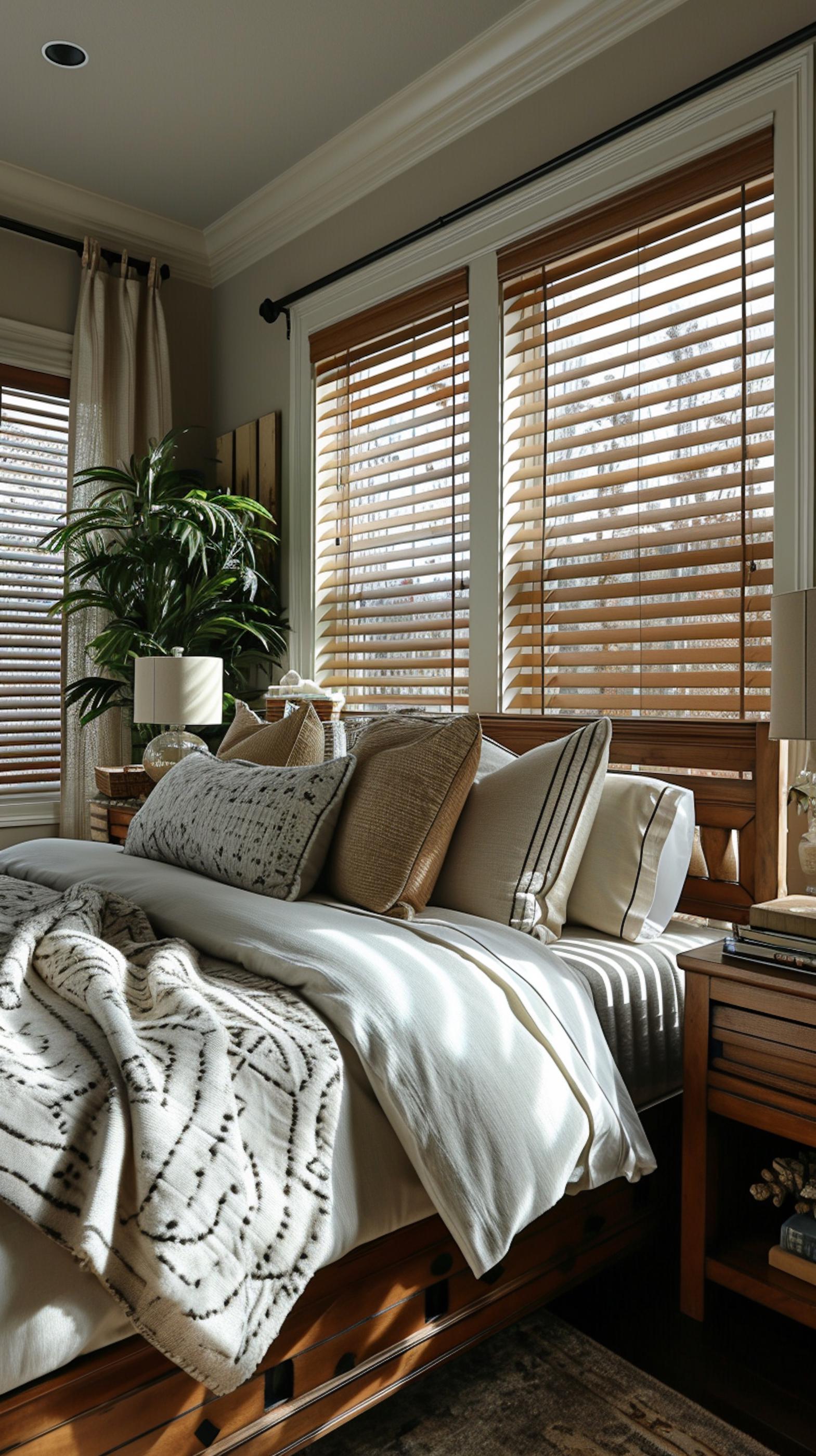
Wood shutters are typically crafted from hardwoods such as basswood, cedar, or poplar. They offer a rich, natural look that many homeowners love, with a texture and grain that give warmth and character to any space. These shutters can be custom-stained or painted to complement nearly any interior or exterior design. However, wood is a natural material that reacts to temperature and moisture changes, which can affect its durability over time.
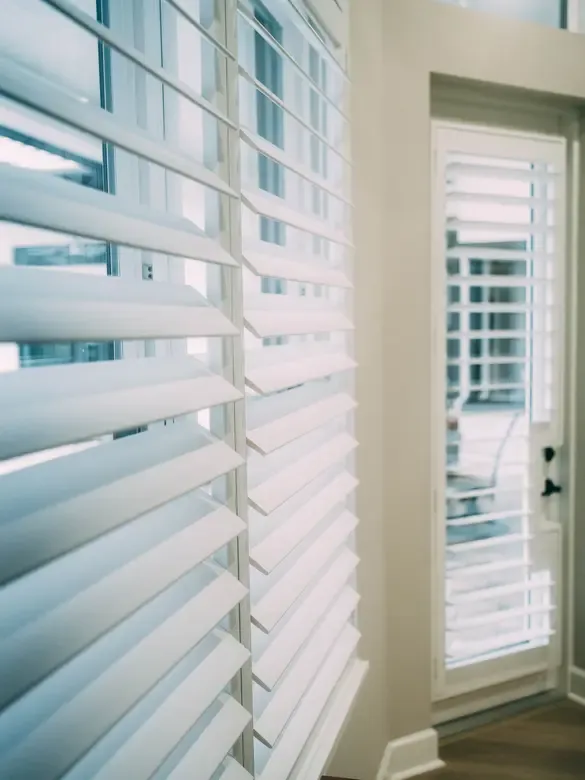
Composite shutters, sometimes called faux wood or engineered shutters, are made from a blend of materials like MDF (medium-density fiberboard), PVC, or other polymers. This composition makes them more resistant to humidity, cracking, and fading. Composite shutters mimic the look of real wood but require less maintenance and stand up better to moisture-heavy air.
From the outside, both materials can appear similar, but their internal structure tells a different story. The natural fibers in wood create beauty and authenticity, while the dense, synthetic core of composite shutters delivers strength and consistency. Understanding these differences is the first step in choosing shutters that will stay beautiful and functional, even when the air feels thick and damp.
How Humidity Affects Each Material
Humidity affects every material differently, and the impact on shutters can be significant. Understanding how each type responds to moisture will help you choose the option that performs best in your environment.
- Wood shutters: Naturally absorb and release moisture based on humidity levels. This constant expansion and contraction can cause the wood to warp, crack, or swell over time.
- Finish wear: Even with a high-quality sealant, moisture can seep into the edges and joints, leading to peeling paint, faded stain, or misaligned panels. Regular refinishing may be needed to preserve their original look.
- Mold and mildew risk: In extremely humid areas, wood surfaces can trap moisture, making them more prone to mold growth or discoloration.
- Composite shutters: Made from synthetic materials like PVC or MDF that resist swelling and shrinking. They maintain their structure and alignment even when humidity levels rise.
- Surface protection: Composite materials have a smooth, sealed exterior that prevents moisture from penetrating, reducing the risk of mold, mildew, and rot.
- Consistent appearance: Because composite shutters do not absorb water, they hold their finish longer and retain their shape and color with minimal upkeep.
In humid environments, composite shutters offer long-term stability and durability, while wood shutters require more care and attention to maintain their appearance and structure.
Maintenance Needs in Humid Conditions
Humidity can make regular home maintenance a bit more challenging, and shutters are no exception. While both wood and composite options can look beautiful, their care requirements differ significantly once moisture becomes a constant factor.
- Wood shutters: Require consistent attention to prevent moisture damage. Regular cleaning, resealing, or repainting helps protect the surface from humidity. Homeowners in damp climates may need to refinish their wood shutters every few years to prevent warping and discoloration.
- Inspect for damage: Check corners and joints regularly for signs of swelling, cracking, or peeling paint. Early repair prevents larger structural issues from developing.
- Control indoor humidity: Using a dehumidifier or running ceiling fans can help reduce excess moisture, which in turn protects wood finishes and extends their lifespan.
- Composite shutters: Offer low-maintenance convenience. Their nonporous surfaces resist water absorption, mold, and mildew, making them easy to clean with a damp cloth and mild soap.
- No refinishing required: Unlike wood, composite shutters do not need to be repainted or resealed, saving time and long-term maintenance costs.
- Durability in high-humidity areas: Composite materials are ideal for kitchens, bathrooms, laundry rooms, and coastal homes where excess moisture is unavoidable.
For homeowners seeking long-term performance with minimal upkeep, composite shutters are often the most practical choice in humid climates.
Aesthetic Considerations: Natural Beauty vs Longevity
When choosing between wood and composite shutters, appearance often plays a major role. Both materials can enhance a home’s style, but they achieve that appeal in different ways, and humidity can influence how they look over time.
- Wood shutters: Offer a classic, natural beauty that’s hard to replicate. The unique grain patterns, rich tones, and custom staining options give wood shutters an elegant and timeless look. For historic homes or design styles that favor authenticity, real wood remains a top choice.
- Customization potential: Wood can be easily painted or stained to match any interior or exterior palette. However, frequent humidity can dull finishes faster, meaning colors or stains may require touch-ups more often.
- Aging gracefully: Some homeowners appreciate the patina that develops on wood over time. In dry climates, this aging adds charm, but in humid regions, it can turn into visible wear or damage if not maintained.
- Composite shutters: Designed to mimic the texture and tone of natural wood while offering a smoother, more uniform finish. They maintain their color and shape far longer, even when exposed to heat and humidity.
- Consistency and durability: Composite materials resist fading and peeling, providing a fresh, like-new appearance year after year. For modern homes or coastal properties, this consistency often outweighs the rustic appeal of wood.
Ultimately, the decision between natural beauty and long-lasting durability comes down to your priorities. If you value character and authenticity, wood delivers warmth and depth. If you prefer a clean, low-maintenance look that stays beautiful through every season, composite shutters are the better fit.
Cost and Value Over Time
When comparing shutters for humid climates, cost is more than just the initial purchase price. The long-term value depends on how well each material stands up to moisture, maintenance, and everyday wear.
- Initial investment: Wood shutters are often more expensive upfront due to the craftsmanship and natural materials involved. Composite shutters tend to be more affordable while still offering a premium appearance.
- Maintenance expenses: Wood shutters require ongoing upkeep, including repainting, sealing, or refinishing every few years to combat humidity damage. These recurring costs can add up over time. Composite shutters, by contrast, rarely need maintenance beyond simple cleaning, which lowers long-term expenses.
- Durability in humid climates: Because composite shutters resist warping, cracking, and fading, they typically last longer in high-moisture environments. Wood shutters may require repair or replacement sooner if exposed to consistent humidity.
- Energy efficiency and insulation: Both types of shutters can improve energy efficiency by adding a layer of insulation to windows, though composite materials tend to retain their structure better over time.
- Return on investment: While wood may offer higher aesthetic value in certain homes, composite shutters often provide greater overall value in humid climates. Their lower maintenance needs and long lifespan make them a cost-effective choice for long-term homeowners.
When factoring in installation, upkeep, and lifespan, composite shutters generally provide the best balance of beauty and budget in humid conditions.
Best Choice for Humid Climates
Humidity can challenge even the most durable materials, so choosing shutters that perform well in damp conditions is key to long-term satisfaction. While both wood and composite shutters have their advantages, one stands out as the clear winner in moisture-prone environments.
- Composite shutters excel in humidity: Their moisture-resistant design prevents swelling, cracking, or peeling even after years of exposure to damp air. This makes them ideal for coastal regions, tropical climates, and homes with high indoor humidity.
- Low maintenance requirements: Composite shutters keep their shape and finish without the need for sanding, repainting, or resealing. Regular wiping with a mild cleaner is enough to maintain their like-new appearance.
- Consistent performance: The engineered structure of composite materials ensures stability and reliability. They remain straight, sturdy, and easy to operate, even as humidity levels fluctuate.
- Wood shutters still have appeal: For homeowners who value authentic craftsmanship, wood shutters provide unmatched warmth and elegance. They can perform well in moderate humidity if properly sealed, maintained, and protected from direct moisture.
- Making the final decision: The best choice ultimately depends on your priorities. If you want natural texture and character and don’t mind a little upkeep, wood shutters can work beautifully. If you prefer durability, low maintenance, and peace of mind in humid conditions, composite shutters are the smarter investment.
In humid climates, composite shutters offer the best combination of strength, appearance, and longevity, making them a practical and stylish solution for modern homes.
Finding the Right Fit for Your Home
Choosing between wood and composite shutters comes down to more than looks. In humid climates, performance and longevity are just as important as style. Wood shutters bring a warm, traditional charm that many homeowners love, but they demand ongoing care to stay in top shape when moisture is in the air. Composite shutters, on the other hand, are built to handle humidity with ease, maintaining their structure and color year after year with very little maintenance.
For most homeowners in coastal or humid environments, composite shutters provide the best balance of durability, value, and beauty. They mimic the natural appeal of wood while resisting the effects of moisture, mold, and fading that come with damp weather.
If you’re unsure which option fits your home best, the experts at Zinga’s Home Solutions can help you evaluate your space, climate, and style preferences. Our team specializes in designing and installing custom shutters that enhance both the look and performance of your home. Contact us today to schedule your consultation and discover which shutters will stand the test of time in your climate.
Frequently Asked Questions About Shutters in Humid Climates
Do composite shutters look as good as real wood?
Yes. Modern composite shutters are designed to replicate the look and feel of natural wood, with realistic grain patterns and custom color options. Many homeowners find that high-quality composites are nearly indistinguishable from wood once installed.
Can wood shutters work in humid climates at all?
They can, but only with proper care. High-quality sealing and regular maintenance help protect wood shutters from swelling and warping. However, even with diligent upkeep, wood typically has a shorter lifespan in humid environments than composite materials.
Are composite shutters environmentally friendly?
Composite shutters can be eco-friendly depending on the materials used. Many brands use recycled or sustainable components, and their long lifespan reduces waste compared to replacing wood shutters more frequently.
How often should I clean shutters in a humid climate?
Clean your shutters every few months to prevent mold and mildew buildup. Use a soft cloth with mild soap and water for composite shutters, and a gentle wood-safe cleaner for natural wood options.
Which type of shutters adds more value to a home?
Both materials can add value, but in humid climates, composite shutters typically offer a better return on investment. Their durability and low maintenance appeal to future buyers who want long-lasting beauty without constant upkeep.


Recent Posts
Motorized Shades vs Manual Shades: Which Is Worth the Extra Cost?
Wood vs Composite Shutters in Humid Climates: Which Holds Up Better?
Why Your Motorized Blinds Stutter or Stall: Troubleshooting 5 Common Failures
Categories
Download our Motorized Pergola Guide
Looking for inspiration? Download our free feature packed pdf and see what all options you can get in your pergola.
Table of Contents
- Understanding The Difference Between Wood And Composite Shutters
- How Humidity Affects Each Material
- Maintenance Needs In Humid Conditions
- Aesthetic Considerations: Natural Beauty Vs Longevity
- Cost And Value Over Time
- Best Choice For Humid Climates
- Finding The Right Fit For Your Home
- Frequently Asked Questions About Shutters In Humid Climates
What Products Are You Interested In?
Shades Made Simple.
STEP 1: Complimentary In-Home Consultation
We bring sample products & fabrics directly to your home so you can see and feel the products in your home.
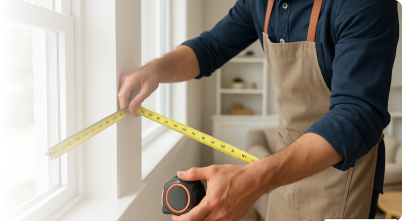
STEP 2: Precise Measuring & No Pressure Quote
We take precise measurements of all your windows and provide you a no pressure quote at the time of your consultation.
STEP 3: Hassle Free Installation
Installation completed by Zinga's employee who are experts in their craft. Free yourself of the stress of installing.
Building a Home?
Building a home can be stressful enough, let us take the burden of window treatments off your hands. We will meet with you after your drywall is complete and can install as soon as you move in!
Who Is Zinga’s?
Zinga’s has been offering window treatments for 25 years and has grown 25% year over year! How did we do that? Simple, we’ve put our customer first. We genuinely love our customers and giving them great service. We want to wow our customers and when you wow your customers they give great referrals. See our over 2000+ reviews, our customers speak for themselves!
Learn More About Zinga's